How to Help Your Pet Lose Weight Safely and Keep It Off
Author:Arooba
Released:November 11, 2025
Has your pet's weight check ever come as an unpleasant surprise at the vet? Has your once-active pet begun to move more slowly and struggle with everyday activities?
Weight gain in pets creeps up silently, often masked by fluff and affection, until a routine checkup reveals a startling number. Managing a pet's waistline requires more than just good intentions; it demands a strategic approach to what fills the bowl.
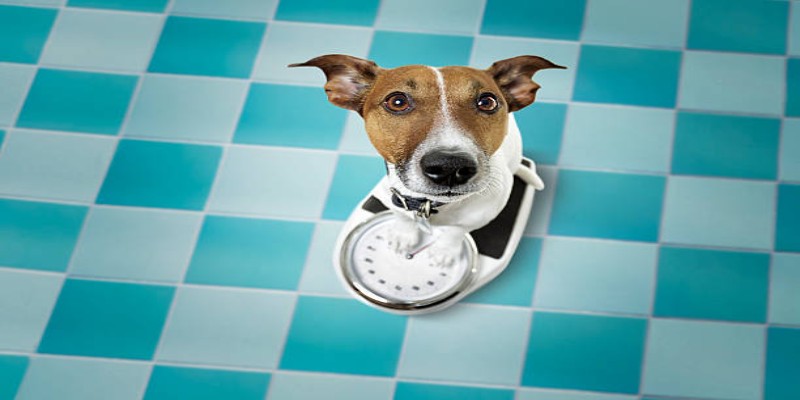
Why Excess Weight Is a Real Health Risk for Pets
Excess weight in pets directly increases the risk of joint disease, heart strain, insulin resistance, and reduced mobility, often shortening lifespan by years rather than months. Even modest weight gain can worsen arthritis and lower daily activity levels.
Regular overfeeding, including table scraps, is a primary contributor. Effective weight management starts with treating food as measured nutrition, not emotional reward, and prioritizing lean body condition over appearance.
Why Calories Matter More Than Food Volume
Not all kibble is created equal. Two foods that look identical in the bowl can differ dramatically in energy content. One cup of a standard maintenance formula may contain around 300 calories, while a high-fat or performance formula can exceed 450–500 calories per cup. This gap explains why pets often gain weight after a brand switch, even when owners believe they are feeding “the same amount.”
For accurate feeding, calorie information matters more than volume. Always check the “kcal per cup” or “kcal per kg” label and compare it with your pet's daily caloric needs rather than relying on scoop size alone.
The Strategy of Portion Control
Overfeeding rarely comes from one big mistake; it builds from small daily excesses. Estimating portions by sight is one of the most common causes of pet obesity. Scoops vary in size, kibble density differs by brand, and even how food settles in the container can change the amount served.
Over time, an extra 30–50 calories per day can translate into significant weight gain, especially for small dogs and indoor cats with low activity levels. Portion control works best when feeding is treated as a measurable routine rather than an emotional gesture.
Why Weighing Food Beats Measuring by Cups
Measuring cups improve consistency, but they still leave room for error. Kibble shapes, air gaps, and settling can cause cup measurements to fluctuate by 10–20 percent. A digital kitchen scale eliminates this variability. By weighing food in grams, you deliver the same calorie amount at every meal, regardless of brand or kibble size.
This level of precision is especially important during weight loss, where even small overages can stall progress. Using a scale also makes it easier to adjust portions gradually, such as reducing intake by 5–10 percent when weight loss plateaus.
How Protein Supports Fat Loss Without Muscle Loss
Protein plays a central role in healthy weight reduction. Adequate protein intake helps preserve lean muscle mass while body fat decreases. This matters because muscle tissue supports metabolism and mobility. Pets that lose muscle alongside fat often become weaker and regain weight more easily.
High-quality animal protein also increases satiety, meaning pets feel satisfied longer after meals. This reduces begging behavior and makes calorie restriction easier to maintain without constant hunger cues.
Using Fiber to Reduce Calories Without Hunger
Fiber adds structure and volume to food with minimal calories. Soluble and insoluble fibers slow digestion and stretch the stomach, helping pets feel full on fewer calories. This is why many veterinary weight-management diets pair higher fiber levels with elevated protein.
The result is a diet that supports fat loss while maintaining comfort, energy, and normal feeding routines. When used correctly, fiber allows calorie reduction without making pets feel deprived, which improves long-term success.
How Treats Quietly Sabotage Weight Loss
Treats are the saboteurs of many well-meaning diet plans. A tiny cube of cheese or a single potato chip seems insignificant to a human, but for a twenty-pound dog, it is the caloric equivalent of a hamburger.
Calculate the Cost: Treats should make up no more than 10% of a pet's daily caloric intake.
Vegetable Alternatives: Many dogs enjoy the crunch of fresh green beans, carrots, or apple slices. These offer low-calorie rewards that satisfy the desire to chew.
The "One Kibble" Trick: Set aside a portion of the daily kibble allowance in a jar on the counter. When the pet "earns" a treat, take it from this pre-measured supply. The pet feels rewarded, but the total daily intake remains unchanged.
Wet vs. Dry Food: Which Supports Weight Control Better
The format of the food also plays a role in weight management. Dry kibble is convenient and economical, but it is moisture-dense. Wet food, by contrast, contains a high percentage of water. This water adds volume and weight to the meal without calories, helping pets feel fuller faster.
Incorporating wet food into the diet, or mixing it with dry kibble, can be a useful strategy for increasing satiety. For cats, especially, wet food is often preferred for weight loss as it typically contains fewer carbohydrates than dry formulas. However, dental health must be monitored, as wet food does not provide the abrasive action that helps clean teeth.
Why One Diet Never Fits Every Pet
Every animal is unique. A diet that works wonders for a neighbor's Labrador might be disastrous for a sedentary Bulldog. Age, activity level, and breed genetics all influence caloric needs.
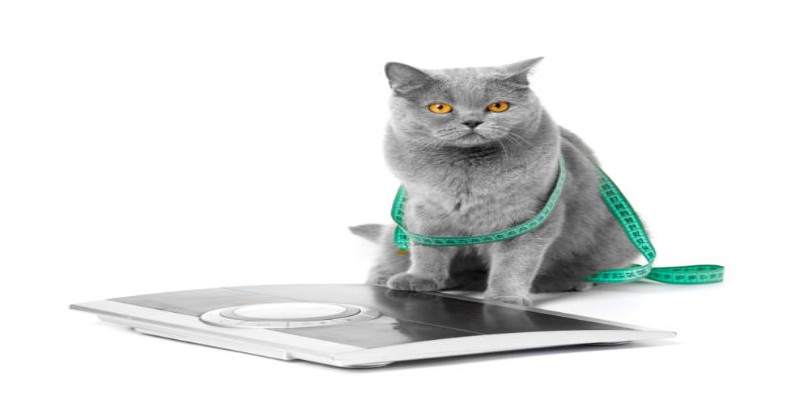
Adjusting Nutrition by Age and Life Stage
Calorie needs change significantly with age. Puppies and kittens require higher calories, fat, and specific minerals to support growth and bone development, while adult and senior pets need controlled calories to prevent fat gain.
Senior diets should reduce energy density but maintain adequate protein to preserve muscle mass. Feeding formulas outside the appropriate life stage increases the risk of obesity, nutrient imbalance, or impaired development.
When Veterinary Guidance Is Essential
While home research is valuable, navigating the nuances of animal nutrition often requires expert input. If a pet is significantly overweight, simply cutting calories can be dangerous, potentially causing nutrient deficiencies.
Consulting a veterinarian ensures that the weight loss plan is safe and effective. Vet-recommendedd nutrition plans are tailored to the specific health profile of the animal. A vet can calculate the precise caloric needs for weight loss and monitor progress to ensure the weight comes off at a safe rate. Rapid weight loss can be harmful, particularly in cats, where it can lead to liver complications. A professional can also rule out underlying medical conditions, such as thyroid issues, that might be causing the weight gain.
How to Track Progress and Prevent Rebound Weight Gain
Reaching an ideal weight is not a finish line; it is a maintenance phase. Once the target weight is achieved, the diet usually needs adjustment again. Continuing the weight-loss portion size might cause the pet to become too thin.
Regular weigh-ins are essential. Many veterinary clinics allow owners to stop by just to use the scale. Tracking this data helps catch slight increases before they become major problems. Adjusting the food intake by small percentages based on these checks keeps the pet in the optimal weight zone.
Maintaining a Healthy Weight Over a Lifetime
Maintaining a pet's weight is a lifelong commitment, not a temporary fix. It requires vigilance, discipline, and a willingness to say "no" to pleading eyes. The reward, however, is substantial. A pet at a healthy weight has more energy for play, less pain in their joints, and a better chance at a longer life. The effort put into measuring, selecting, and monitoring food is paid back in years of companionship. Ignoring the pleading for extra snacks is the ultimate act of caring.
Related Posts
Cat Sleep Positions Explained: What Each Pose Really Means
Do Dogs and Cats Really Take On Their Owner’s Personality?

Flying With Pets: TSA Rules And Preparation Guide
How to Trim Your Cat’s Nails at Home Without the Drama

Top Dog Parks in Major US Cities For Exercise And Socialization